If your child or young adult has a brain tumor, our team has the medical and surgical expertise to help them not only survive but thrive. Seattle Children’s Brain Tumor Program cares for your child from diagnosis through all phases of treatment and follow-up survivor care, helping them grow up to be a healthy and productive adult.
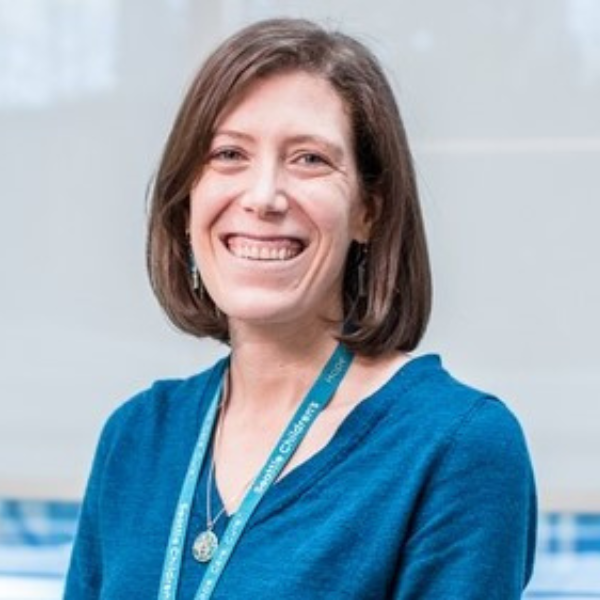
Meet the Seattle Children’s Team


Our Regional Center of Excellence at Seattle Children’s Hospital
Children treated at Seattle Children’s for brain tumors have survival rates that are consistently among the best in the country, and typically 10% higher than the national benchmark. Year after year, U.S. News & World Report ranks Seattle Children’s as one of the top children’s hospitals in the nation and among the nation’s best pediatric centers for cancer, neurology and neurosurgery. With the nation’s top leaders in brain tumor care and research, our Brain Tumor Program offers some of the most advanced treatments and clinical trials of any children’s hospital. If surgery is the best route to a cure, your child is in the hands of neurosurgeons skilled in innovative, minimally invasive procedures. We perform significantly more neurosurgeries than any other children’s hospital in our region (Washington, Alaska, Montana and Idaho). More cases mean greater expertise and a sharper ability to determine if surgery is even needed — and that adds up to better outcomes.
Surgical Expertise and Innovation
Research shows that centers like Seattle Children’s that do many surgeries every year are more likely to have better results for their patients. Our skill and expertise with advanced technology make brain surgery possible for more children, as well as safer and more precise. Neuroimaging helps us plan and carry out operations while protecting critical parts of your child’s brain. Seattle Children’s is among a handful of children’s hospitals to offer advances such as laser ablation and procedures using the ROSA™ robotic surgical assistant.
Precision medicine to personalize treatment
Seattle Children’s is at the forefront of precision diagnosis, using molecular profiling to identify a child’s tumor subtype and provide the best treatment. Few centers across the country can match our expertise. Knowing a child’s brain tumor molecular subtype can open the door to treatment that increases survival, as shown in a clinical trial that charts a better course for kids with high-risk medulloblastoma. State-of the art neuroimaging gives us detailed information about your child’s brain’s structure and how it works.
The state’s only comprehensive cancer center
Seattle Children’s partnership with Fred Hutchinson and the University of Washington is designated a comprehensive cancer center by the National Cancer Institute — the only one in Washington state. This partnership improves access to cutting-edge advances in basic science, new therapies and supportive care for your child. Learn how we care for children and young adults with brain tumors.
Access to clinical trials offered only at top centers
Children we treat have access to new options in clinical trials that are often not available at other hospitals. These include CAR T-cell immunotherapy for especially hard-to-treat brain tumors like diffuse intrinsic pontine glioma (DIPG). We offer research studies of novel therapies for children with all types of tumors. We are the only center on the West Coast that is a member of both the Pacific Pediatric Neuro-Oncology Consortium (PNOC) and the Collaborative Network for Neuro-oncology Clinical Trials (CONNECT).
Focused on long-term health
We take care of your whole child, looking ahead to a healthy future. If cancer or treatment may harm their fertility, we talk about options for fertility preservation. After treatment ends, our Cancer Survivor Program will help keep your child healthy over the long term. We partner with the Survivorship Program at Fred Hutch to transition survivors to adult care when they are ready.
Our Brain Tumor Program brings together a coordinated care team of experts, including pediatric neurosurgeons, neuro-oncologists and radiation oncologists. We see patients together in our weekly multidisciplinary Brain Tumor Clinic, and the whole team meets as a group each week at our Brain Tumor Board. Together, we review all the information on your child to develop their diagnosis and treatment plan. After the meeting we talk with you about the plan. Together, we build the best care plan for your child.
Recent Publications and Presentations
Post-mortem brain tumor tissue donation programs are crucial for advancing research and improving treatment outcomes. However, their effectiveness can be hindered by differences in institutional policies, resources, and geographic factors. This study evaluates trends within the multi-institutional Gift from a Child (GFAC) program to identify areas for standardization and improvement. Data from seven regional centers representing over 40 referral locations were analyzed, focusing on metrics such as patient care setting, patient status, and referral source at the time of donation. Variability in donation practices was observed, particularly in the proportion of donations from external referrals versus family/community sources. Some centers reported most donations from external referrals, while others relied on family or community sources. These differences raise questions about data collection and reporting …Authors: Nicole Lyons, Javad Nazarian, Caroline Kopsidas, Mateusz Koptyra, Adam Resnick, Jane Minturn, Beth Frenkel, Sonora Reingruber, Angela Wanders, Miriam Bornhorst, Melissa Williams, Michelle Monje-Deisseroth, Ann-Helen Liljensten, Mark Souweidane, Jeffrey Greenfield, Cindy Campbell, Alexandra Backlund, Sydney Peck, Nicholas Vitanza, Sarah Leary, Jeffery Stevens Gift From a Child: Insights into Trend Variability in Post-Mortem Brain Tumor Tissue Donation from a Multi-Institutional Program
Post-mortem (PM) brain tumor tissue donation, facilitated through initiatives like Gift from a Child (GFAC), offers unique opportunities to advance pediatric neuro-oncology research while exploring the family experience. Families who choose PM donation often do so despite the absence of direct benefit to their child, motivated instead by the prospect of contributing to the development of future treatments for other patients. This decision requires a foundation of trust, transparent communication, and a shared understanding of the donation’s altruistic purpose. Preliminary findings suggest that families who participate in PM donation are satisfied with their decision and often express a desire for follow-up information regarding the impact of their contribution on research and therapeutic advancements. This multi-modal follow-up workflow which includes surveys and focus groups, provides valuable insights into Authors: Nicole Lyons, Javad Nazarian, Caroline Kopsidas, Mateusz Koptyra, Adam Resnick, Jane Minturn, Beth Frenkel, Sonora Reingruber, Angela Waanders, Miriam Bornhorst, Michelle Monje-Deisseroth, Ann-Helen Liljensten, Mark Souweidane, Jeffrey Greenfield, Cindy Campbell, Alexandra Backlund, Sydney Peck, Nicholas Vitanza, Sarah Leary, Jeff Stevens Post-Mortem Brain Tumor Tissue Donation in Pediatric Neuro-Oncology: A Mechanism for Insight into Family and Patient Experiences
Diffuse midline glioma (DMG) is a lethal pediatric and adolescent high-grade glioma. DMG patients harbor a cold tumor immune microenvironment (TIME), similar to adult glioblastoma patients, who also suffer from systemic lymphopenia. In glioblastoma, lymphopenia is linked to T-cell sequestration in the bone marrow, caused by T-cell internalization of S1PR1, limiting trafficking. The DRD2 antagonist/ClpP agonist ONC201 is currently in clinical trials for DMG and has reported immunomodulatory effects in other cancers, thus we aimed to investigate ONC201’s immunomodulatory effects in DMG. Flow cytometry of peripheral blood from DMG patients at diagnosis showed low levels of lymphocytes (CD4+, CD8+, and NK cells) compared to the reference range (n = 9). This was also seen in immunocompetent C57BL/6 DMG-engrafted mice (known as ‘PPK’ harboring PdgfraD842V, DNp53, and H3f3aK27M mutations) compared to tumor-naïve, sham-engrafted mice (n = 3). Vehicle-treated PPK-engrafted mice showed increased numbers of T cells in the bone marrow compared to sham-engrafted mice (log2FC:-1.28, p-value:0.0367), suggesting T-cell sequestration. ONC201 treatment (125 mg/kg B.I.W.) increased S1PR1 surface expression on T cells (log2FC:0.73, p-value=0.0005), reducing sequestration in the bone marrow. Immunohistochemistry identified increased levels of tumor-infiltrating lymphocytes (TILs) within the TIME of ONC201-treated mice, including CD45+ and CD3+ T cells (log2FC:2.38 and 1.94, p-value:0.0275 and 0.0103). ONC201 also promoted increased expression of the MHC I subunit B2M (log2FC:1.67, p-value:0.0281), suggesting enhanced antigen presentation. Despite warming the TIME, no survival benefit was seen using immunocompetent mice (n = 10). scRNAseq of PPK tumors +/-ONC201 identified increased infiltration of immunosuppressive myeloid-derived macrophages (MDMs). These MDMs showed upregulation of CD74, known to be expressed on tumor-associated macrophages favoring a tumor-permissive TIME, revealing a possible therapeutic vulnerability. In conclusion, DMG tumors contribute to systemic lymphopenia, partially reversed by ONC201. While ONC201 promotes antigen presentation and TIL recruitment, killing efficacy may be limited by tumor-promoting CD74+ MDMs, highlighting future combination strategies.
Authors: Mika Persson , Clara Savary , Evangeline Jackson , Ryan Duchatel , Liesl Bramberger , Daniel de la Nava , Bryce Thomas , Holly McEwen , Tyrone Beitaki , Izac Findlay , Alicia Douglas , Martin Larsen , Pouya Faridi , Jeff Holst , Jemma Mayall , Hubert Hondermarck , Jay Horvat , Brett Nixon , Rodrigo Cartaxo , Javad Nazarian , Esther Hulleman , Sabine Mueller , Nicholas Vitanza , Carl Koschmann , Marta Alonso , Tiago Carvalheiro , Jasper van der Lugt , Matthew Dun
https://academic.oup.com/neuro-onc-peds/article/1/Supplement_1/wuaf001.060/8231303
Pacritinib is a clinically-approved JAK2/IRAK1/ACVR1 inhibitor for the treatment of myelofibrosis. As JAK2 inhibition has shown utility against a range of tumors, including glioblastoma (GBM), we aimed to investigate its role in the treatment of diffuse midline glioma, a still universally fatal disease of childhood. Against GBM, the JAK2 inhibitor AZD1480 demonstrated a significant cytotoxic effect against cell lines with elevated levels of phospho-STAT3, an important JAK2-modified transcriptional regulator. Here, we utilized our patient-derived diffuse intrinsic pontine glioma (DIPG) models, including two with H3.3 mutations (PBT-22FH, PBT-29FH), one with a H3.1 mutation (PBT-27FH), and one that is histone wildtype (PBT-24FH). To assess preclinical utility of this agent, we performed assays defining viability, apoptosis, and signaling analysis as a prelude to in vivo analyses. Across our models, the IC50 was found …Authors: MATTHEW C BIERY, Davina S Lau, Lily I Winter, Andrea Timpanaro, Edward Song, Leonel Elena-Sanchez, Michael Meechan, Kelsey Nemec, Nicholas A Vitanza DMG-59. Preclinical efficacy of JAK2/IRAK1/ACVR1 inhibitor pacritinib against diffuse midline glioma (DMG)
Diffuse midline glioma (DMG) and high-grade glioma are devastating pediatric central nervous system tumors that remain incurable. Recent chimeric antigen receptor (CAR) T cell studies have shown proof of concept and early signs of efficacy against DMG targeting GD2. Prior work and ongoing clinical trials have focused on using viral vectors to create permanent CAR T cells. However, virally transduced GD2-directed CAR T cells have shown significant neurotoxicity in both preclinical models and human trials.
Methods
We evaluated transient CAR T cells targeting GD2 created with mRNA, assessing for efficacy and safety in cell line, organoid, and in vivo xenograft models with repetitive intratumoral dosing. Authors: Jessica B Foster, Peter J Madsen, Kyra Harvey, Crystal Griffin, Allison Stern, Luke Patterson, Nikhil Joshi, Conor Dickson, Olivia McManus, Ezra Beaubien, Cullen Wilson, David R Beale, Valerie Baubet, Peeyush N Goel, Nicholas A Vitanza, Javad Nazarian, Mateusz Koptyra, Phillip B Storm, Adam C Resnick
Nicholas Vitanza, Edward Song, Andrea Timpanaro, Michael Meechan, Leonel Sanchez, Lucy Li, Sophie Jamet, Davina Lau, Lily Winter, Matthew Dun, Jessica Foster, Myron Evans, Siobhan Pattwell, Vandana Kalia, Surojit Sarkar, Michael Jensen, Matthew Biery
Publication date
2025/4/1
Description
Additional Declarations: Yes there is potential Competing Interest. EZS, JBF, MCJ, and NAV are inventors on issued and pending patents related to CAR T cell therapies. MCJ holds equity in and is the Chief Scienti c O cer of BrainChild Bio, Inc. MCJ holds equity in, is a Board Observer for and serves as a member of the Joint Steering Committee of Umoja Biopharma, Inc. NAV holds equity in and serves as the Scienti c Advisory Board Chair for BrainChild Bio, Inc. All other authors declare no competing interests. • Engineered CXCR3-A expression enhances the trafficking and efficacy of intracerebroventricularly delivered B7-H3-targeting CAR T cells against diffuse intrinsic pontine glioma